The Electrolyte Mistake That Makes Fasting Feel Worse Than It Should
Quick Answer: The headache, fog and shakiness midway through a fast are usually sodium loss, not hunger. Lower insulin makes your kidneys excrete sodium and the water bound to it, dragging potassium along. Half to one teaspoon of salt in water often resolves a fasting headache within 15-20 minutes. Magnesium matters mainly past 24 hours. Info, not medical advice.
Hour sixteen. You’ve got a headache, your hands feel slightly unreliable, and standing up too fast produces a light show.
The internet tells you this is your body “detoxing,” or that you simply need more discipline. Both are wrong, and the second one is doing real damage — because you’re gritting your teeth through a problem that a pinch of salt would fix in twenty minutes.

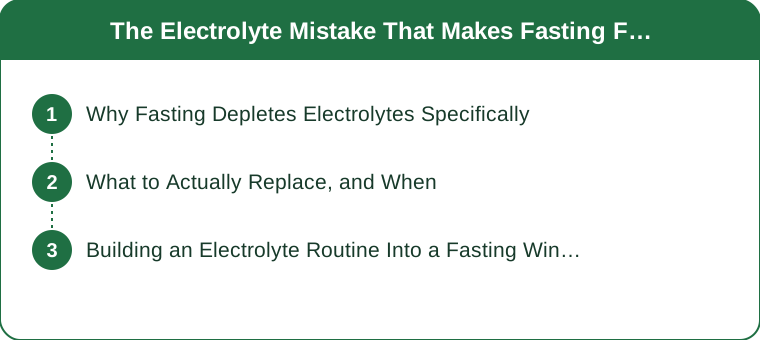
Why Does Fasting Drain Your Electrolytes?
Three steps, and they happen quietly.
1. Insulin drops, and your kidneys let go of sodium. Insulin has a side job most people don’t know about: it signals the kidneys to hold onto sodium. When you’re not eating, insulin falls — and that signal weakens. Your kidneys start excreting more sodium than usual.
2. Water follows the sodium out. Sodium holds water with it. This is why people drop several pounds in the first days of a fast or a low-carb diet, and it’s why that weight comes straight back afterward. It’s fluid, not fat, and it’s leaving faster than you’d think.
3. Potassium goes along for the ride. Sodium loss drags potassium with it, compounding the deficit. Meanwhile you’re not eating any food, which is where you’d normally get both.
Add it up and by hour twelve to sixteen you can be meaningfully down on the minerals your nerves and muscles run on.
Here’s the cruel part: the symptoms are identical to hunger. Headache, fatigue, weakness, irritability, brain fog, lightheadedness on standing. So people misdiagnose it as hunger, decide they’re failing at willpower, and push through — treating the wrong problem with the wrong tool.

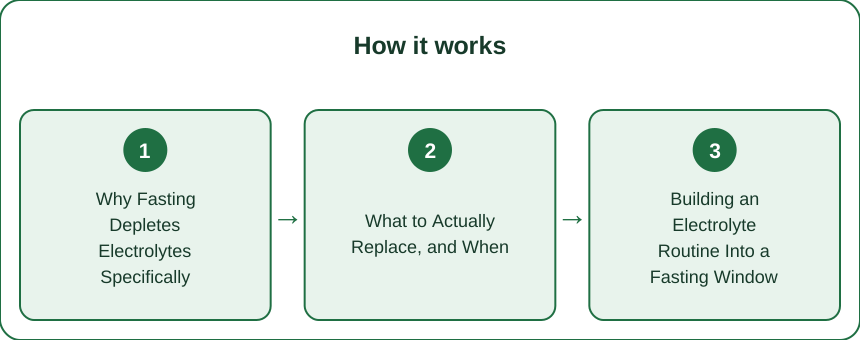
What Should You Actually Replace, and When?
In priority order, because they are genuinely not equal.
Sodium — first, and by a wide margin. Half to one teaspoon of salt dissolved in a glass of water addresses most fasting headaches within about 15-20 minutes. That speed of response is diagnostic in itself: if salt fixes it that fast, it was never hunger. Regular table salt works fine; the fancy pink varieties are mostly the same thing at a higher price.
Potassium — second, and harder to source. A small cup of unsalted broth covers it reasonably, or a potassium-specific supplement if you prefer measured doses. Potassium is the one people most often skip, partly because it’s less obvious and partly because you can’t just add it from a shaker.
Magnesium — third, and mainly for longer fasts. Magnesium glycinate or citrate becomes genuinely relevant past the 24-hour mark. For a 16:8 daily eating window, it’s much less urgent — you’re getting it from food most of the day.
Myth vs Fact
Myth: Fasting headaches mean you need to eat. Fact: They far more often mean you need sodium. The 20-minute response to salt water is a fairly clear test, and it doesn’t break your fast.
Myth: Salt breaks a fast. Fact: Sodium has no calories and doesn’t trigger an insulin response. Plain salt in water is fine by any reasonable definition of fasting.
Myth: Drinking more water fixes fasting fatigue. Fact: Sometimes it makes it worse. If you’re already low on sodium, adding large volumes of plain water dilutes what’s left. Water plus electrolytes, not water alone.
Myth: You need an expensive fasting electrolyte product. Fact: Salt, a cup of broth and a magnesium capsule cover it for pennies. The commercial powders are convenient, not superior — and quite a few contain sweeteners or a few calories, which some people care about.
Myth: The symptoms mean fasting isn’t for you. Fact: Possibly, but check the electrolytes first. A great many people abandon fasting over a problem that a shaker of salt would have solved.
How Do You Build This Into a Fasting Window?
Split the dose. A small amount in the morning and another midday is easier on the stomach than one large hit, which for many people produces exactly the nausea they were trying to avoid.
A workable daily template for a longer fast:
- Morning: ¼-½ tsp salt in a large glass of water
- Midday: a cup of unsalted broth, or ¼ tsp salt plus a potassium supplement
- Longer fasts (24h+): add 200-300mg magnesium glycinate in the evening
Check the label for hidden calories. Some electrolyte products contain sugars, maltodextrin or flavoring with a few calories per serving. If you’re strict about the fast, read the panel rather than the front.
Adjust for your situation. Hot weather, exercise and heavy sweating all raise sodium needs substantially. A fasted workout in summer needs more than a fasted desk day in winter — the same session in a cool room is a different demand entirely. If you’re training fasted, wear something breathable that doesn’t add heat load and expect to need more salt than usual afterward.
A necessary caveat, and when to see a professional: this is general information about a common and usually manageable issue, not medical advice, and electrolyte needs are genuinely individual. Talk to your doctor before adding sodium if you have high blood pressure, kidney disease, heart failure, or take blood pressure or diuretic medication — deliberately increasing sodium is not a neutral act in those situations. The same applies to potassium supplements, which can be genuinely risky with certain medications and kidney conditions. Stop fasting and seek medical attention for fainting, heart palpitations, severe confusion, chest pain or persistent vomiting. If you’re pregnant, breastfeeding, under 18, diabetic, or have a history of disordered eating, fasting protocols should be discussed with a clinician first rather than picked up from an article.
FAQ
Will salt break my fast?
No. Sodium contains no calories and doesn’t trigger insulin, so plain salt dissolved in water is compatible with fasting under any common definition. What can break a fast is a flavored electrolyte product with sugars or a few hidden calories per serving.
How much sodium do you need while fasting?
Common practice sits around half to one teaspoon of salt spread across the day for longer fasts, and considerably less for a standard 16:8 window where you’re eating normally in the evening. Needs rise noticeably with heat and exercise. If you have blood pressure or kidney concerns, get a number from your doctor rather than from a general guideline.
Why do I feel dizzy standing up while fasting?
That’s usually the fluid and sodium shift rather than low blood sugar — less circulating volume means your blood pressure takes a moment longer to catch up when you stand. It often responds to salt and water quickly. Persistent or severe dizziness, or fainting, is a reason to stop fasting and see a doctor.
TL;DR
- Fasting headaches are usually a sodium problem wearing a hunger costume.
- Lower insulin → kidneys flush sodium → water follows → potassium tags along.
- Sodium first: ½-1 tsp salt in water, often effective within 15-20 minutes.
- Potassium second: unsalted broth or a supplement. Magnesium third, mainly past 24 hours.
- Split doses across the window, and check products for hidden calories.
- Blood pressure, kidney or heart conditions, or diuretics = ask your doctor before adding salt.
Keep Reading
This article is for general informational purposes only and is not medical advice. Always consult a qualified health professional for guidance specific to you.